


Car Subscription vs Long-Term Rental
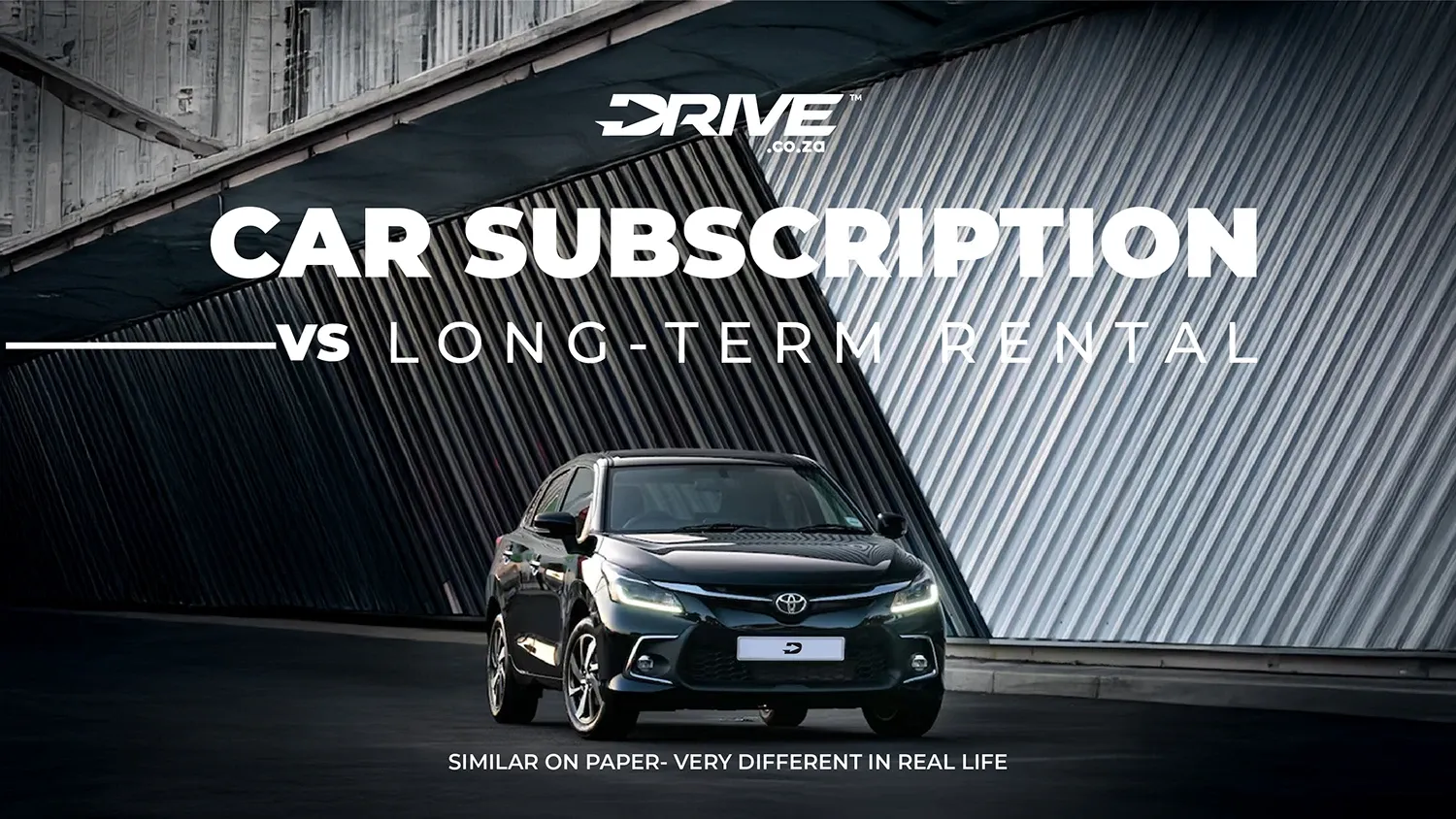
Similar on Paper — Very Different in Real Life
At first glance, long-term rental and car subscription appear almost identical: access to a vehicle for a fixed monthly fee, without ownership.
The difference lies in the experience, flexibility, and how well each model adapts when your life changes.
Where Traditional Long-Term Rental Falls Short
Most long-term rental products were designed for corporate fleets, not private drivers. As a result, they typically come with:
- Rigid kilometre packages
- Severe excess-kilometre penalties
- Limited ability to adjust when your lifestyle changes
- A transactional customer experience
- Strict return conditions and administrative complexity
These limitations quickly become frustrating when your commute, family needs, or work situation shifts.
How Drive.co.za Subscription Works Differently
Drive.co.za also uses kilometre limits, because usage matters, but with a crucial difference: your kilometre package is not locked in forever.
You select a package that matches your real driving patterns, and if your circumstances change, your subscription can be adjusted accordingly (subject to terms and availability).
What Your Subscription Includes
Your monthly subscription bundles the major vehicle costs into one predictable payment:
- The vehicle
- Insurance
- Maintenance and servicing
- Tyres (as applicable per policy)
- Licensing and administration
- Ongoing support and structured flexibility
Experience and Control Comparison
| Feature | Long-Term Rental | Drive Subscription |
|---|---|---|
| Kilometre Structure | Fixed and rigid | Customisable and adjustable |
| Penalty Risk | High | Transparent and fair |
| Personalisation | Low | High |
| Customer Experience | Transactional | Relationship-based |
| Adaptability | Low | High |
Who Benefits Most from Subscription?
Car subscription is especially well suited to:
- Professionals with changing work patterns
- Families whose travel needs evolve
- Drivers who want predictable monthly costs
- Anyone who values flexibility over rigid contracts
